👐 game-ready optimization by Ana Beatriz Vega González
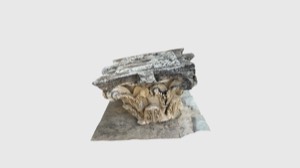
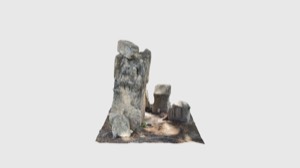
This carved stone basin, located within the Roman Water Temple of Zaghouan, was part of the elaborate hydraulic system built in the 2nd century CE under Emperor Hadrian. Likely used as a settling or distribution basin, it collected and regulated the spring water before it began its journey along the great aqueduct to Carthage. The central column with a perforated top may have functioned as part of the water control mechanism, allowing the Romans to manage flow and pressure with remarkable precision. Such basins exemplify the ingenuity of Roman hydraulic engineering, where sacred spaces for worship were seamlessly integrated with highly functional systems that sustained entire cities. 📌 This model is part of the Tanit XR digital preservation initiative, which documents and shares Tunisia’s endangered cultural heritage through 3D scanning and immersive storytelling.
The scan above is our full-detail preservation record. This optimized version is light enough for real-time use, game engines, WebXR, VR, and community projects. Build something with it.
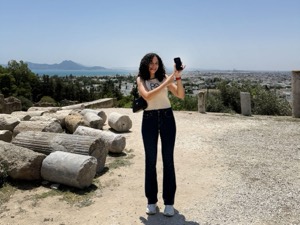
🤝 This scan exists because of volunteers, from scanning on site to cleanup and research. Rejoignez-nous →