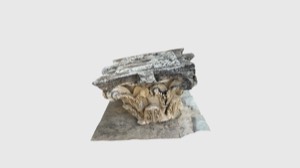
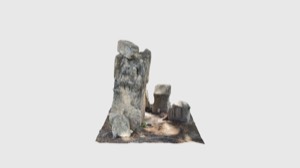
This section of the Roman Water Temple in Zaghouan features three semicircular niches framed in stone, once designed to hold statues or offerings to water deities. Built under Emperor Hadrian in the 2nd century CE, the temple marked the sacred source of the Zaghouan–Carthage aqueduct, one of the longest aqueducts in the Roman Empire, stretching more than 130 kilometers to supply the ancient city of Carthage. The Water Temple blended practical engineering with sacred ritual, turning a vital spring into both a monumental fountain and a sanctuary. Its niches, arches, and masonry reflect the Roman mastery of architecture and infrastructure, where reverence for natural resources like water was expressed through monumental design. 📌 This model is part of the Tanit XR digital preservation initiative, which documents and shares Tunisia’s endangered cultural heritage through 3D scanning and immersive storytelling.
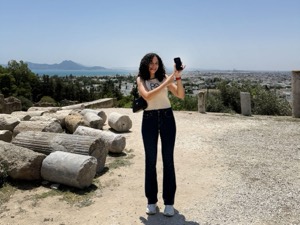
🤝 This scan exists because of volunteers, from scanning on site to cleanup and research. Join us →